Hit enter to search or ESC to close

marine cargo theft Corporate insurance
9 February 2026
Cargo theft and what this means for New Zealand businesses
Understand the growing risks of cargo theft and the important role insurance plays in protecting your business before an incident happens and supporting your recovery after a loss.
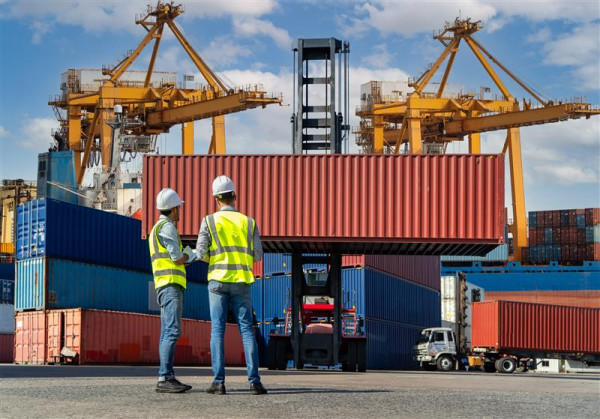
Global trade underpins New Zealand’s economy. From primary exports heading offshore to imported goods supporting local industries, supply chains are critical to how businesses operate and grow. Yet as logistics networks become more complex, so too do the risks that threaten them.
One of the fastest-changing challenges facing businesses today is cargo theft. Once seen as an operational or transportation issue, cargo theft has become a broader risk, affecting financial performance, reputational resilience and insurance outcomes across the supply chain.
For New Zealand businesses operating in global markets, the emerging tactics prevalent in cargo theft have important implications.
Cargo security - a changing threat landscape
Cargo theft has existed for as long as goods have been moved from one place to another. What has changed is how cargo theft occurs and how sophisticated cargo thieves have become.
“Today’s criminal networks are highly coordinated, fast-moving, and technologically sophisticated,” says Emma Macadie, Senior Broker – Marine.
Organised crime networks are increasingly exploiting digital tools, insider knowledge, and impersonation tactics to exploit vulnerabilities in modern supply chains. With technologies designed to improve efficiency, such as real-time tracking, automated booking platforms, and digital documentation, also being leveraged to divert or intercept shipments without raising immediate suspicion. Global freight fraud data highlights the scale of the problem, with losses in the U.S. alone reaching USD $35 billion in 2024 and a noticeable increase through 2025.
Gallagher's global insights highlight that cargo theft is no longer confined to opportunistic losses at locations with weak security measures. Instead, it is often highly targeted, planned in advance, and designed to avoid detection until the cargo has already disappeared.
Common strategic cargo theft techniques include:
- Identity theft of legitimate carriers, drivers or company information
- Manipulation of booking and dispatch systems
- Use of forged documents and fictitious pick-up orders
- Interference with tracking technology to obscure shipment movements
What freight theft means for New Zealand businesses
While most global reporting on cargo theft focuses on North America and Europe, New Zealand businesses are not immune to cargo thieves. Our exporters, importers, freight forwarders and port operators are deeply connected to international supply chains, often involving multiple handovers across borders, time zones and jurisdictions.
When cargo theft occurs, the impact goes well beyond the value of the physically stolen freight.
“Cargo theft has a ripple effect on how businesses operate, spend, and protect their reputation,” says Emma.
Delays are usually the first consequence of cargo theft. Deliveries are pushed back, shipments are rerouted, and supply chain commitments are broken. These disruptions can impact not just one company but an entire network of partners and customers.
Reputational risk follows closely. Clients and end customers may not distinguish between theft and operational failure, particularly when the stolen goods are high-value or time-sensitive.
Financial exposure can extend well beyond the immediate loss. Increased insurance deductibles, coverage disputes, uninsured losses and the cost of emergency replacements all add pressure to margins.
For organisations already navigating tight supply conditions and rising costs, cargo theft can be a significant stressor on resilience and growth.
Cargo insurance continues to evolve
As cargo theft becomes more technologically driven, marine cargo insurance responses are also shifting.
In some scenarios, such as losses involving digital interference, system manipulation, or fraudulent redirection, policy wordings, exclusions or sub-limits may materially affect recovery.
This makes it increasingly important for businesses to:
- Understand how policies respond to modern theft methods
- Ensure accuracy of insured values, routes, and risk profiles
- Align insurance solutions with current operational realities
Regular reviews, particularly at renewal or following a loss, help to avoid unexpected gaps.
Be proactive about risk management and cargo theft prevention
The most resilient organisations take a proactive approach to prevent cargo theft.
Gallagher’s approach focuses on helping clients mitigate risk through practical, achievable measures that complement insurance protections. Effective strategies include:
- Stronger verification protocols: Multi-step authentication for drivers and carriers.
- Smart tracking: GPS, geofencing, and sensors for real-time visibility.
- Collaboration: Sharing intelligence with logistics partners, insurers, and law enforcement.
- Insurance reviews: Ensuring policies reflect current risks and routes.
- Predictive analytics: Using data to anticipate high-risk areas and trends.
- Team training: Empowering frontline staff to spot red flags and respond quickly.
While no single measure eliminates risk entirely, these actions can significantly reduce exposure and improve outcomes in the event of strategic cargo theft.
Confidence in a complex environment
Cargo theft is a reality of modern trade, and one that continues to evolve. For New Zealand businesses, the challenge is not only to prevent container theft and freight scams, but to safeguard trade relationships, reputation and long-term performance.
“Cargo theft is evolving quickly, but businesses don’t need to face that complexity alone. With the right insight and the right protections in place, organisations can stay ahead of emerging threats and protect what matters most,” said Emma.
Click here to download this article.


Stay protected from freight forwarding scams
Gallagher works alongside clients to help them understand how risks are changing, and how insurance and risk management strategies can adapt accordingly. By combining global insight with local expertise, our brokers can help you navigate uncertainty with greater confidence.